
Senses and Biology
A dog experiences the world in a completely different way than we do. Smell dominates a dog's perception the way sight dominates ours, and their bodies are built with an array of specialized tools most of us never think twice about.
● A dog's sense of smell is estimated to be 10,000 to 100,000 times more sensitive than a human's, thanks to having up to 300 million scent receptors compared to our roughly 6 million.
● Dogs have a special organ called the vomeronasal organ, or Jacobson's organ, located at the base of the nasal cavity, which lets them detect pheromones humans can't perceive at all.
● A dog's nose print is unique, much like a human fingerprint, and can theoretically be used to identify an individual dog.
● Dogs can hear frequencies up to around 45,000 Hz, while humans typically top out at about 20,000 Hz, which is part of why dogs react to sounds, like certain electronic tones, that we can't hear at all.
● A dog's ear has 18 or more muscles controlling it, allowing many breeds to rotate, tilt, and independently move their ears to pinpoint the exact direction of a sound.
● Most dogs are not colorblind in the way people often assume; they see a range of colors, but muted compared to humans, similar to a mild form of red-green color blindness.
● A dog's normal body temperature runs higher than a human's, typically between 38.3°C and 39.2°C (101 and 102.5 degrees Fahrenheit), which is why a dog's ears and nose often feel warmer to the touch.
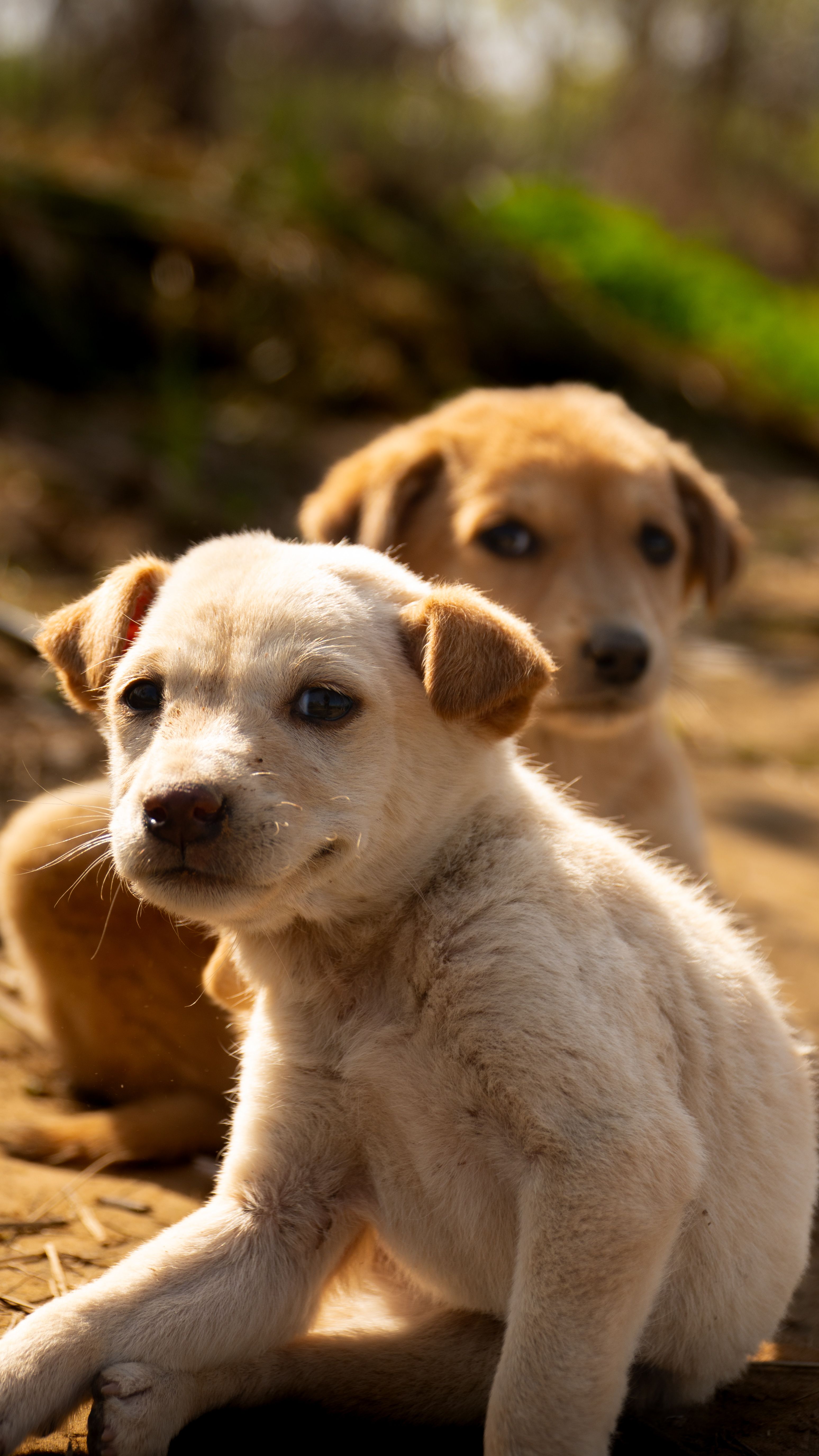
● Puppies are born deaf and blind, relying entirely on smell and touch for their first couple of weeks of life before their eyes and ears gradually open.
● Dogs have three eyelids, including a third one called a nictitating membrane that helps keep the eye moist, clear debris, and protect the surface of the eye.
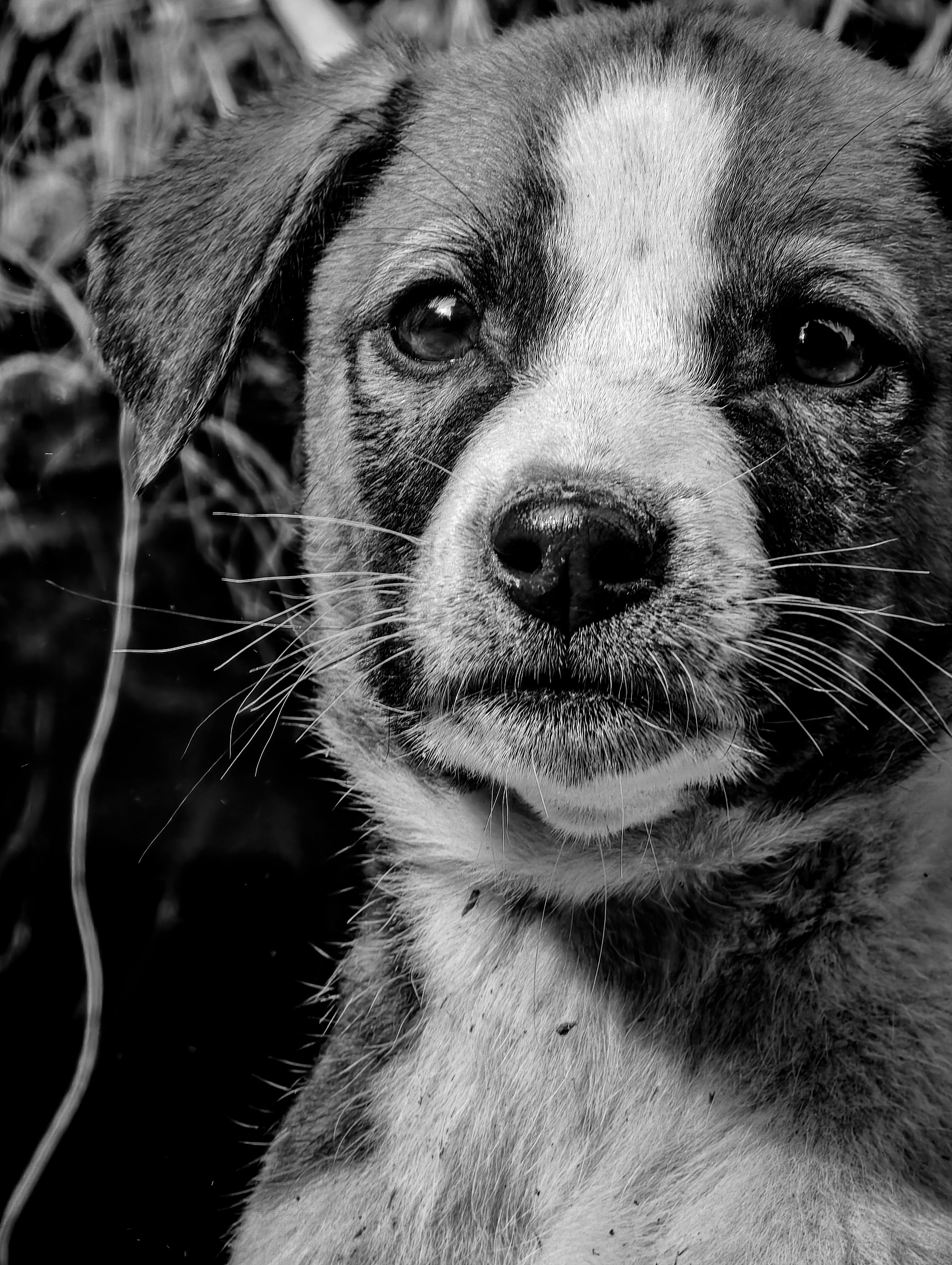
● A dog's whiskers, technically called vibrissae, are rooted much deeper in the skin than regular hairs and are connected to sensory nerves that detect subtle changes in nearby air currents.
● Dogs sweat primarily through the pads of their paws, which is why panting, not sweating, is their main way of regulating body temperature.
● A dog's heart beats significantly faster than a human's at rest, typically ranging anywhere from 60 to 140 beats per minute depending on the dog's size and fitness level.
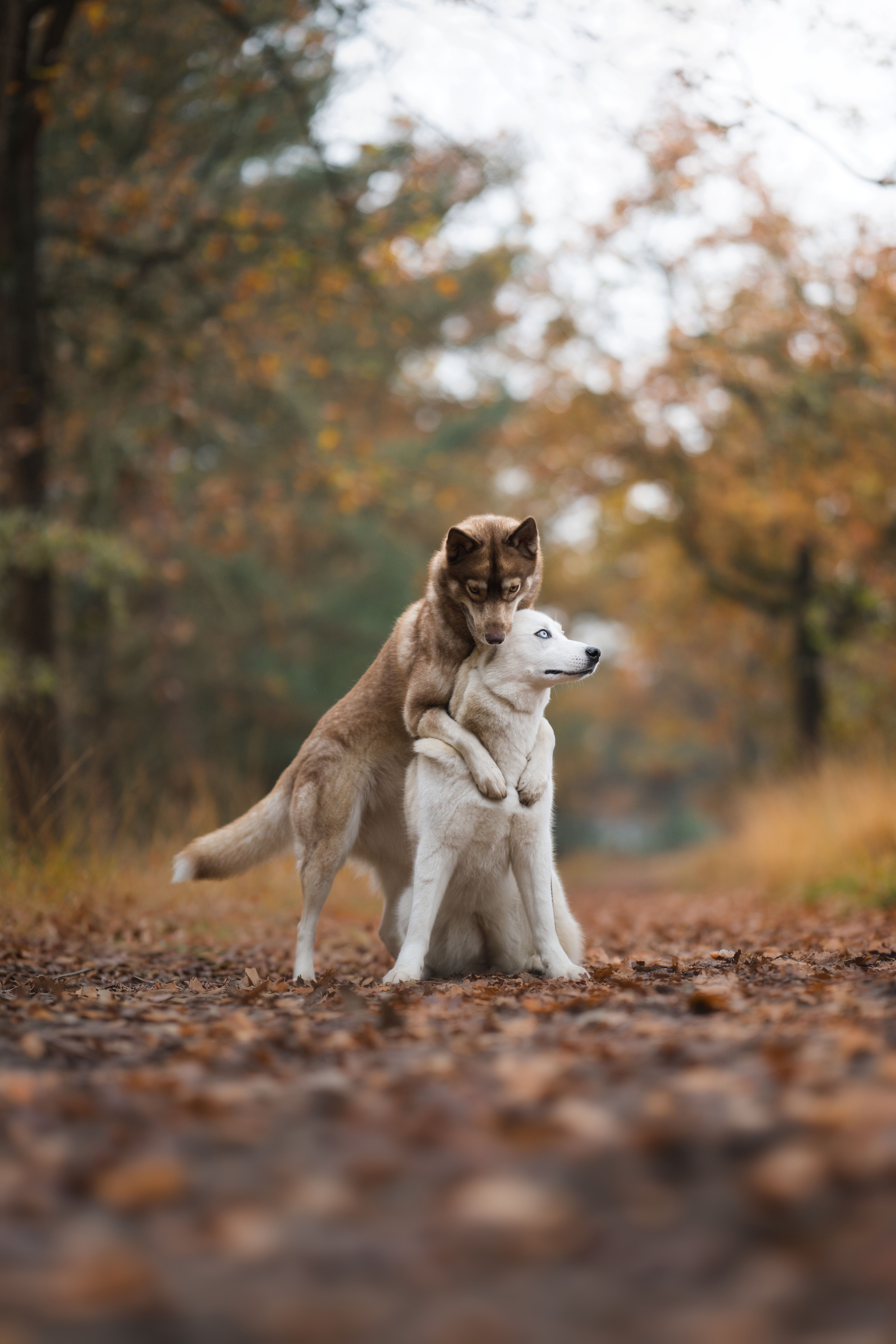
● Some dogs are born with a condition called heterochromia, giving them two different colored eyes, a trait especially common in breeds like the Siberian Husky.
Behavior and Communication
Anyone who has lived with a dog knows they're constantly communicating, even without words. Tail wags, ear positions, posture, and vocalizations all carry meaning, and researchers are increasingly finding that dogs understand far more about us than we once assumed.
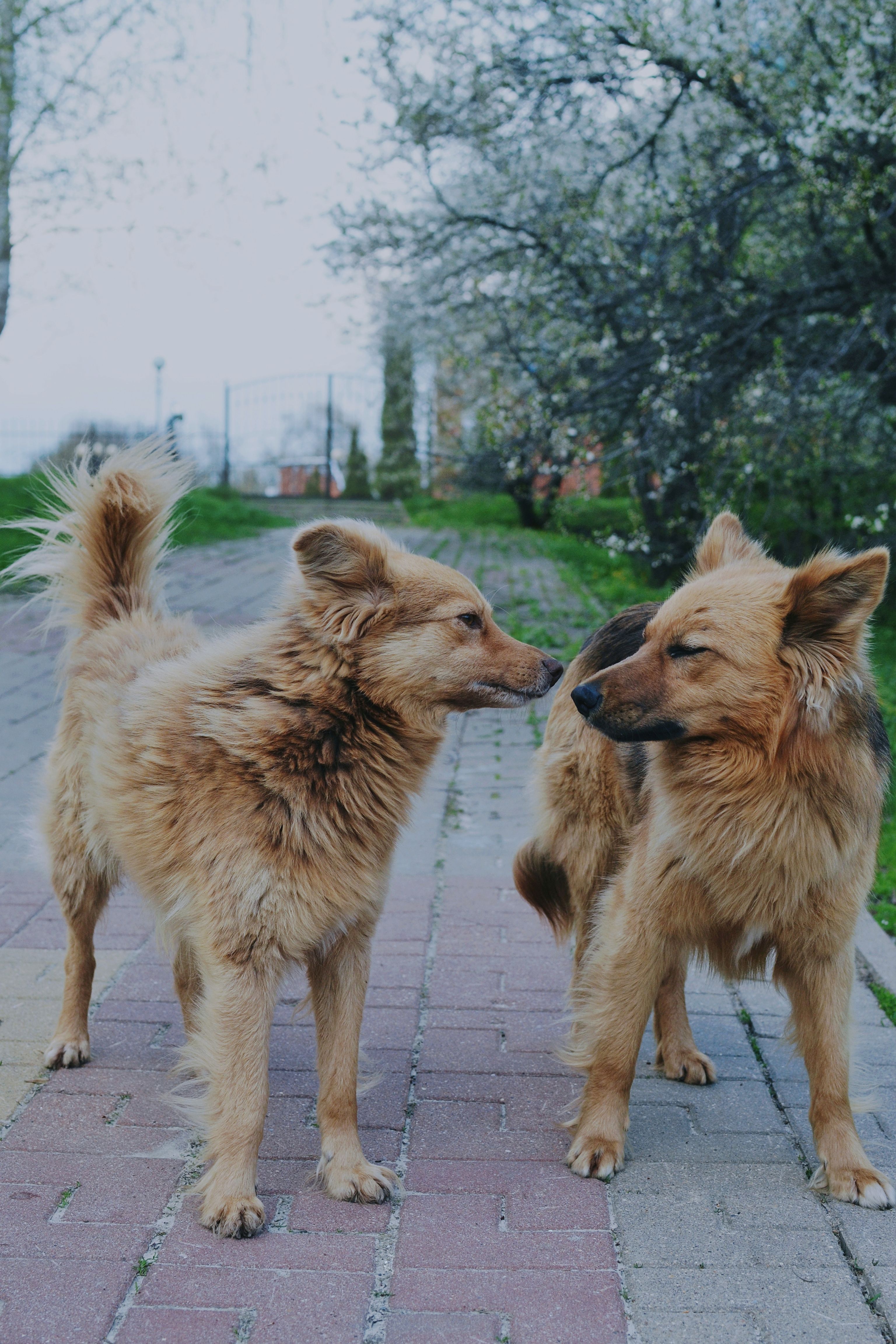
● A dog wagging its tail doesn't always mean happiness; tail position, height, and speed can also signal fear, agitation, uncertainty, or heightened alertness.
● Studies suggest dogs tend to wag their tails more to the right side of their body when they feel positive emotions, and more to the left when they feel negative ones, a phenomenon linked to brain hemisphere activity.
● Dogs can understand a surprising number of human words and gestures, and some particularly clever dogs, studied extensively by researchers, have learned the meanings of hundreds or even over a thousand individual words for objects.
● When dogs stare into their owner's eyes, it triggers a release of oxytocin in both the dog and the human, the same "bonding hormone" released between parents and infants during moments of closeness.
● Dogs circle around several times before lying down, a behavior thought to be inherited from wild ancestors who trampled down grass, checked their surroundings for danger, or curled a bed into the shape of their body before resting.
● Yawning is contagious between dogs and humans; studies show dogs are noticeably more likely to yawn after seeing their own owner yawn than after seeing a stranger do it, suggesting a form of empathy.
● Dogs dream during sleep, showing similar brain wave patterns to humans, and researchers believe smaller breeds may dream more frequently than larger ones, though their dreams are thought to be shorter.
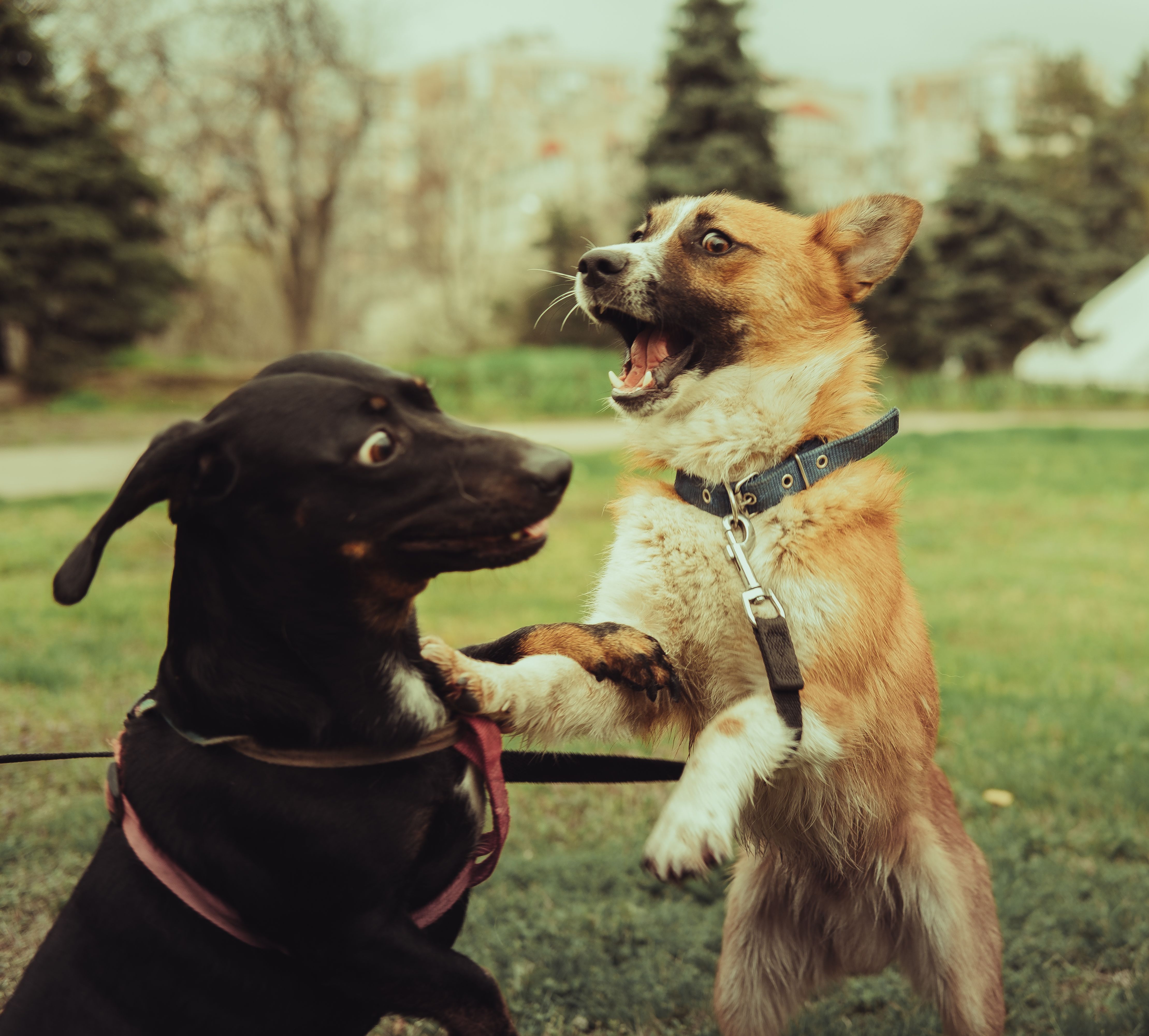
● Play bows, where a dog lowers its front end while keeping its rear in the air, are a universal canine signal meaning "this is play, not a real fight," recognized by dogs of every breed and background.
● Dogs are capable of reading human facial expressions and can often distinguish between a happy face and an angry one, adjusting their own behavior accordingly.
● Some dogs display a behavior known as "guilty look" after doing something wrong, though researchers have found this expression is more likely a learned response to a scolding tone of voice than genuine guilt.
● Dogs often mirror the emotional state of their owners, becoming more anxious when their humans are stressed and calmer when their humans are relaxed, a phenomenon sometimes called emotional contagion.
Breeds, Size, and Physical Feats
With hundreds of recognized breeds worldwide, dogs come in an almost unbelievable range of shapes, sizes, and specialties. Selective breeding over centuries has produced everything from tiny lapdogs to massive working breeds, each shaped by the specific jobs humans once needed them to do.
● The Greyhound is the fastest dog breed, capable of reaching speeds around 45 miles per hour in short bursts, making it faster than a thoroughbred racehorse over a short distance.
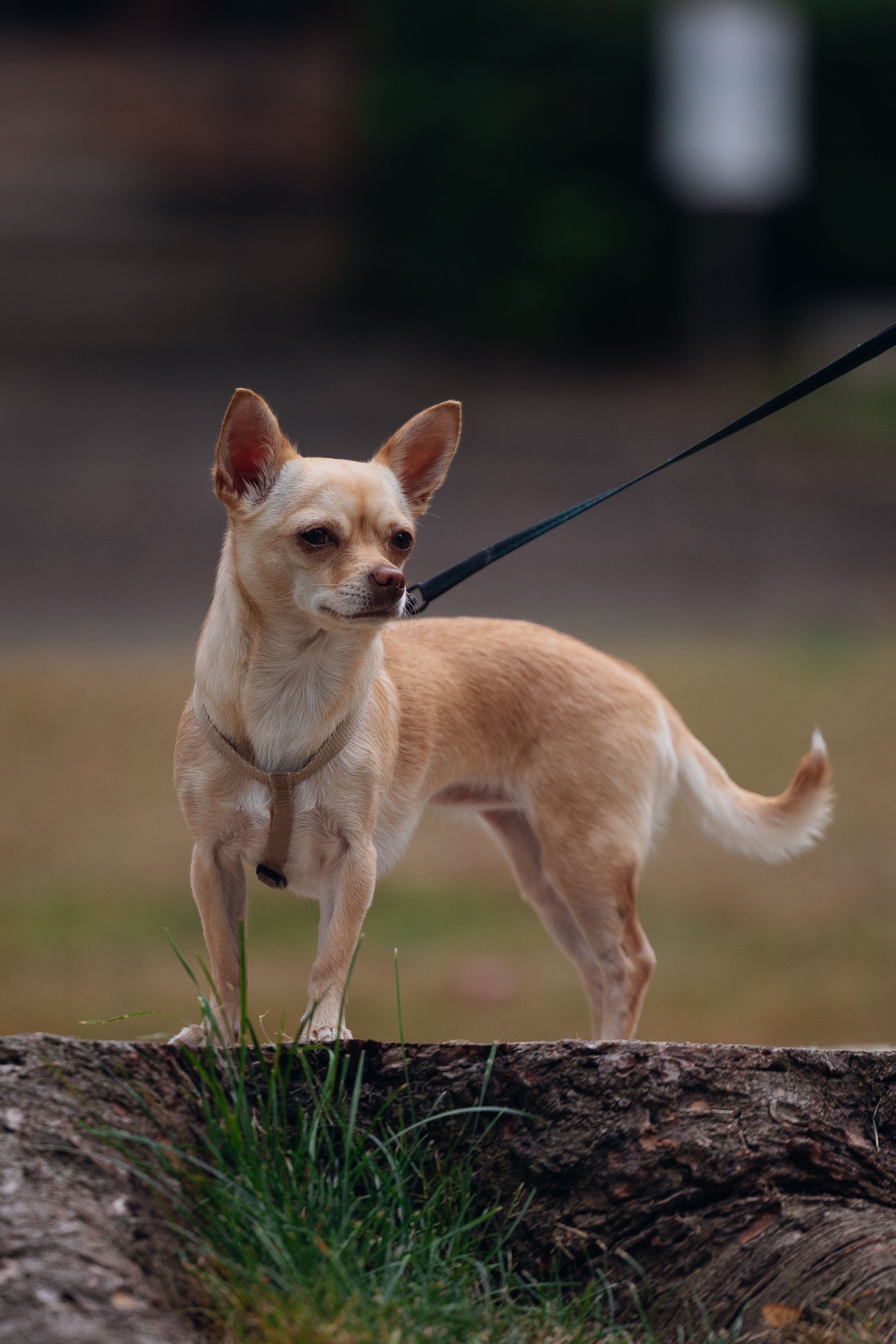
● The Chihuahua is generally recognized as the smallest dog breed by weight, while the Great Dane and Irish Wolfhound compete for the title of tallest dog breed.
● A dog's mouth can exert significant bite force, with some large working breeds capable of generating well over 200 pounds per square inch of pressure.
● Dalmatian puppies are born completely white and only develop their signature black or liver-colored spots gradually as they grow older.
● Newfoundland dogs have webbed feet and thick, water-resistant coats, making them extraordinary swimmers historically used to help fishermen haul nets and rescue people from the water.
● Border Collies are widely considered among the most intelligent dog breeds, frequently ranked at the top of canine intelligence studies for their trainability, focus, and problem-solving ability.
● The Xoloitzcuintli, or Mexican hairless dog, is one of the oldest and rarest dog breeds in the world, and was considered sacred by the Aztecs.
● Some giant breeds, like the Mastiff, can weigh well over 150 pounds, while some toy breeds weigh less than a typical housecat.
● Sled dog breeds like the Siberian Husky and Alaskan Malamute have double coats specifically adapted to insulate against extreme cold, allowing them to sleep comfortably outdoors in sub-zero temperatures.
● The Norwegian Lundehund has six toes on each foot along with unusually flexible joints, an adaptation that once helped it climb narrow cliffside crevices to hunt puffins.
Happy
Health, Care, and Lifespan
Understanding a dog's health and life stages helps owners give them the best possible care. Lifespan, aging, and physical needs vary enormously across breeds and sizes, often in ways that surprise new dog owners.
●A dog's average lifespan varies dramatically by size, with smaller breeds often living considerably longer, sometimes 14 to 16 years or more, while giant breeds may only live 7 to 10 years.
● The world's oldest known dog on record lived to be 29 years old, a record held by an Australian Cattle Dog named Bluey, who worked as a herding dog for most of his life.
● Regular exercise needs vary enormously by breed; working and herding breeds often require significantly more physical and mental stimulation than companion breeds to stay content.
● Dental disease is one of the most common health issues in adult dogs, with a majority of dogs showing some signs of gum disease by just a few years of age if teeth aren't cared for.
● A dog's coat can require vastly different care depending on breed, from the near-effortless upkeep of short-haired breeds to the frequent grooming needed by long-haired or curly-coated breeds.
● Puppies typically lose their baby teeth and get a full set of adult teeth by around six to eight months of age, similar in timing to the process in human children.
● Spaying and neutering, when appropriate for the individual dog and discussed with a veterinarian, is associated with a range of health and behavioral considerations that vary by breed, age, and sex.
● Obesity is considered one of the most common preventable health problems in dogs, with extra weight linked to joint problems, heart strain, and a shorter overall lifespan.

Dogs and Their Superpowers
Beyond everyday companionship, dogs have abilities that read almost like superpowers. Their extraordinary senses have made them invaluable partners in medicine, search and rescue, security, and scientific discovery.
● Some dogs can be trained to detect certain medical conditions in humans, including drops in blood sugar and even certain types of cancer, using scent alone, sometimes with remarkable accuracy in clinical studies.
● Search-and-rescue dogs can track a scent trail that is days old, even across difficult and varied terrain, helping locate missing people in situations where other methods fail.
● Dogs are used at airports and border checkpoints worldwide to detect explosives, drugs, and even smuggled wildlife products, often outperforming mechanical detection equipment.
● Some service dogs are trained to sense an oncoming seizure in their handler minutes before it happens, though scientists are still studying exactly what physical cues tip them off.
● Avalanche rescue dogs can search an area the size of a football field in about 30 minutes, a task that could take a team of human searchers many hours to complete.
● Dogs' whiskers and paw pads are sensitive enough to detect vibrations, which is thought to help some dogs sense environmental changes, including, some researchers suggest, shifts before natural events like storms.
● Certain dogs have been trained to detect invasive plant species, endangered animal scat, and even bed bugs, expanding their working roles well beyond traditional policing and hunting tasks.
Famous Dogs in History
Throughout history, individual dogs have captured public imagination, becoming celebrities, heroes, or symbols in their own right. Their stories often reveal just how deep the bond between dogs and humans can run.
● Laika, a stray dog from the streets of Moscow, became the first animal to orbit the Earth aboard the Soviet spacecraft Sputnik 2 in 1957, a milestone in the early space race.
● Three dogs are known to have survived the sinking of the Titanic in 1912, all of them small breeds carried into lifeboats by their owners.
● Balto, a Siberian Husky, led the final leg of a legendary 1925 relay across Alaska to deliver diphtheria antitoxin to the town of Nome, and a statue in his honor still stands in New York City's Central Park.
● Hachiko, an Akita in Japan, famously continued to wait at a train station for his deceased owner every day for nearly a decade, becoming a national symbol of loyalty still honored with a statue today.
● The Portuguese Water Dog gained extra fame in modern times after one, named Bo, became a well-known White House pet, followed later by a second Portuguese Water Dog named Sunny.
● Rin Tin Tin, a German Shepherd rescued from a World War I battlefield in France, went on to become one of early Hollywood's biggest stars, appearing in dozens of films.
● Sergeant Stubby, a stray mixed-breed dog, served with U.S. troops during World War I and is often celebrated as one of the most decorated war dogs of that era.
Dogs in Culture and Language
Dogs have burrowed their way deep into human language, art, and tradition, appearing everywhere from ancient mythology to modern idioms without most people even noticing.
●The phrase "raining cats and dogs" has uncertain origins, with theories ranging from old mythology to the idea of stray animals washing through the streets during heavy storms in earlier centuries.
● The Chinese zodiac includes the Dog as one of its twelve animals, and people born in a Year of the Dog are traditionally associated with loyalty and honesty.
● Constellations in the night sky include Canis Major and Canis Minor, the "Greater Dog" and "Lesser Dog," home to Sirius, the brightest star visible from Earth.
●The phrase "dog days of summer" actually refers to the star Sirius, sometimes called the "Dog Star," which rises alongside the sun during the hottest stretch of summer in the Northern Hemisphere.
● Many cultures throughout history have featured dog figures in mythology, from Cerberus guarding the underworld in Greek mythology to loyal dog companions in folklore around the world.
● National and cultural dog days, adoption events, and dedicated holidays celebrating dogs have grown increasingly popular worldwide as awareness of shelter animals and responsible ownership has increased.
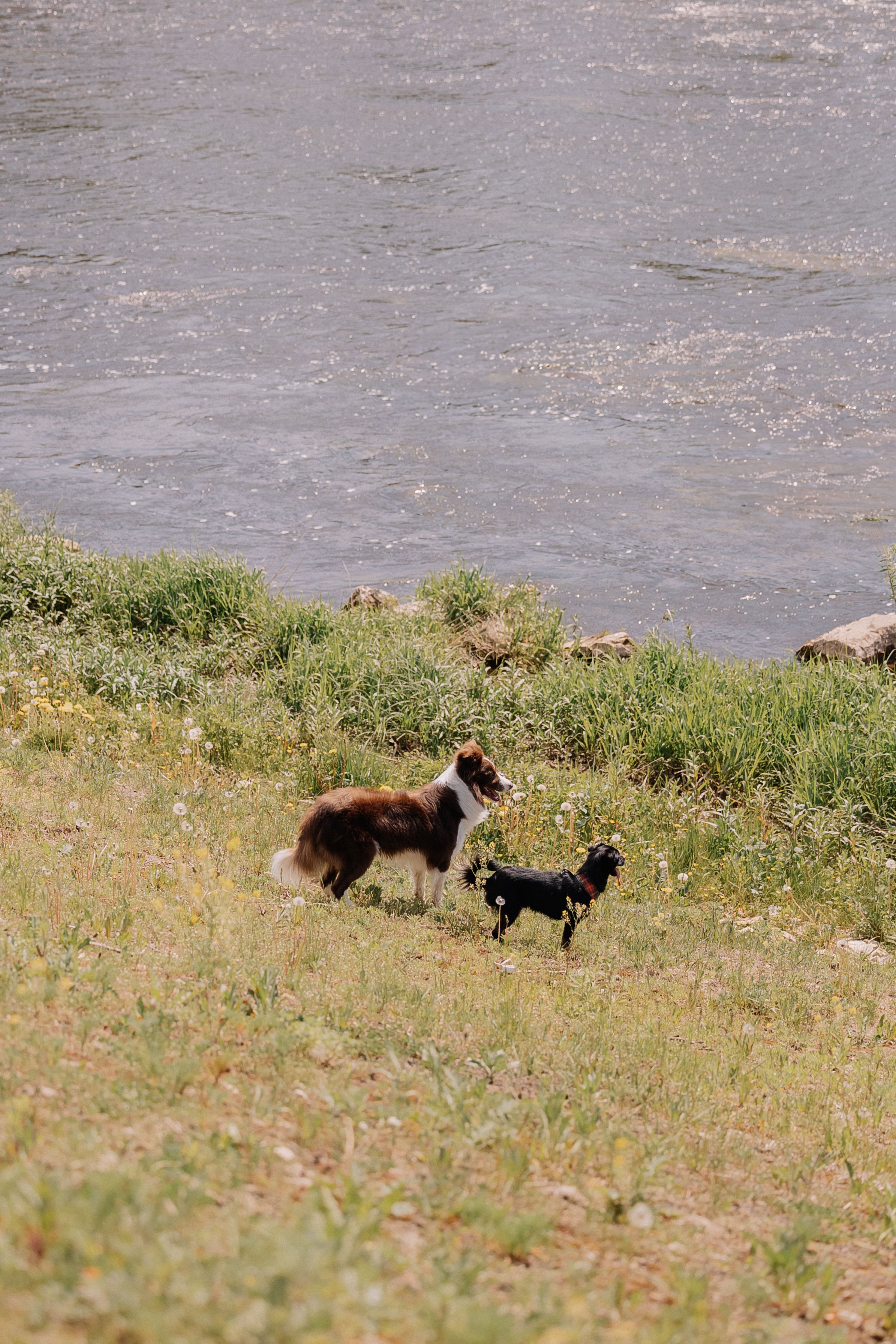
Puppies: The Early Days
The first weeks and months of a puppy's life are packed with rapid development, and the milestones they hit along the way are a big part of why puppies capture so much attention and affection.
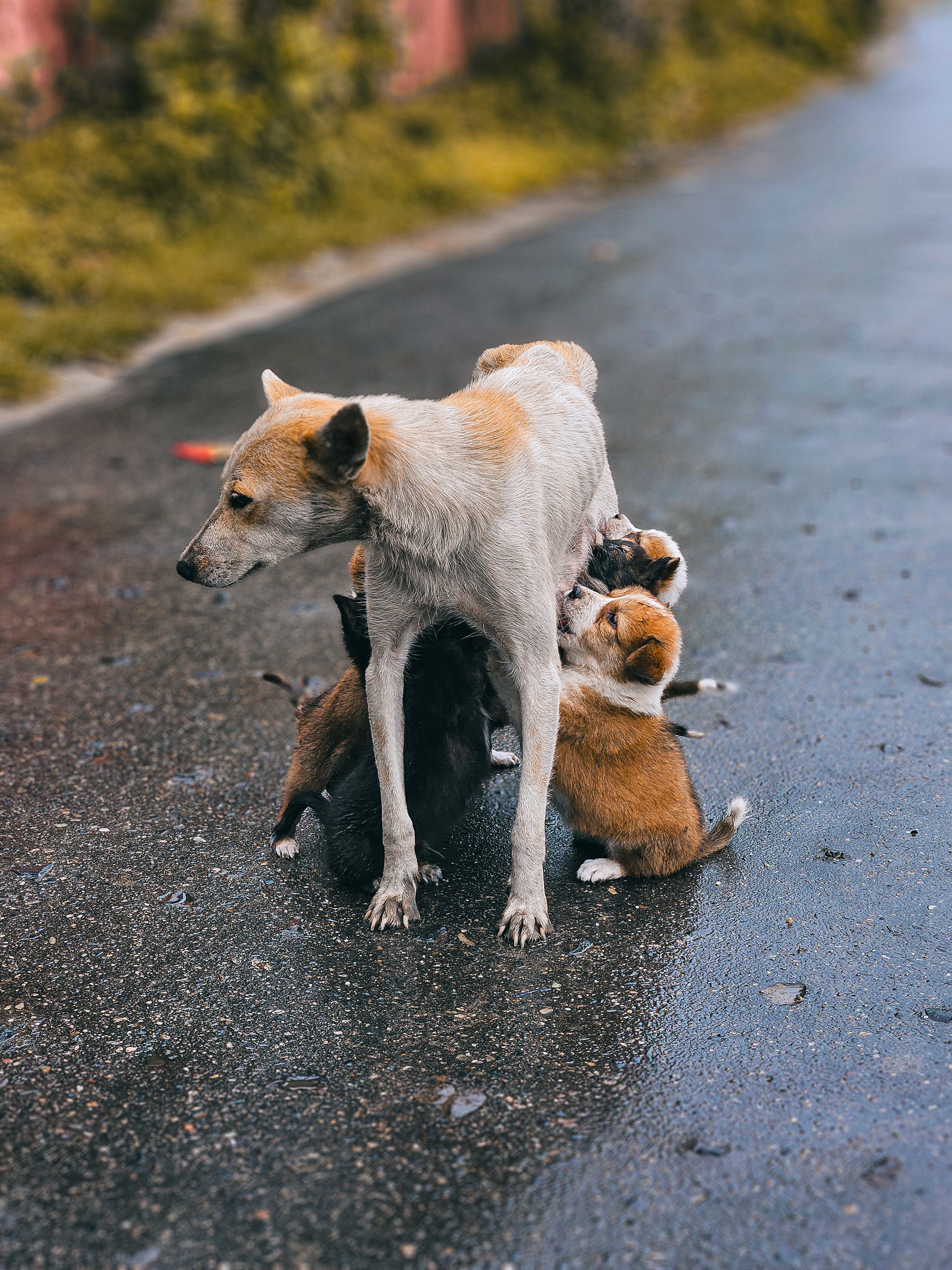
● Puppies are born without the ability to regulate their own body temperature and rely heavily on their mother and littermates for warmth during their first couple of weeks of life.
● A newborn puppy's eyes and ears remain closed for approximately the first two weeks, gradually opening as their senses develop.
● The critical socialization period for puppies, when they are most receptive to new experiences, people, and other animals, generally falls within the first three to four months of life.
● Puppies experience rapid brain development early on, and positive exposure to new sights, sounds, and textures during this window is thought to shape their confidence and temperament later in life.
● A puppy's baby teeth typically begin coming in around three to four weeks of age, and teething continues until the adult teeth fully replace them by roughly six months.
● Puppies often sleep a large portion of the day, sometimes 18 to 20 hours, as their rapidly growing bodies and brains require significant rest.
Fun and Surprising Trivia
Not every dog fact fits neatly into a category. Some are simply too fun, strange, or unexpected to leave out.
● A group of puppies from the same litter is simply called a "litter," while a group of adult dogs is sometimes casually referred to as a "pack."
● Dogs' noses are wet in part because they secrete a thin layer of mucus that helps absorb and dissolve scent chemicals, improving their sense of smell.
● Some dogs are capable of understanding basic arithmetic-like concepts, showing apparent surprise in studies when an expected quantity of treats doesn't match what they actually see delivered.
● The Guinness World Record for the longest dog tongue on record measured several inches longer than a standard ruler, belonging to a Boxer named Mochi.
● Many dogs can be trained to recognize and respond to hand signals just as reliably as verbal commands, which is especially useful for dogs that are deaf or hard of hearing.
● Some dog breeds, like the Basenji, are famously difficult to housetrain and are often described by owners as having a notably independent, cat-like streak.
● A dog's whisker spots, paw pad ridges, and nose print patterns are all unique enough that some researchers have explored using them as biometric identifiers, similar to human fingerprints.
● Certain dogs have been documented performing what looks like problem-solving on video, such as figuring out how to open door levers, latches, or even simple childproof containers.
● Competitive dog sports like agility, flyball, and disc-catching competitions have grown into major global events, with elite canine athletes training and competing much like human athletes.
● Many working dogs, from military and police K9 units to therapy and service dogs, undergo years of specialized training before they're ever assigned to a real-world role.
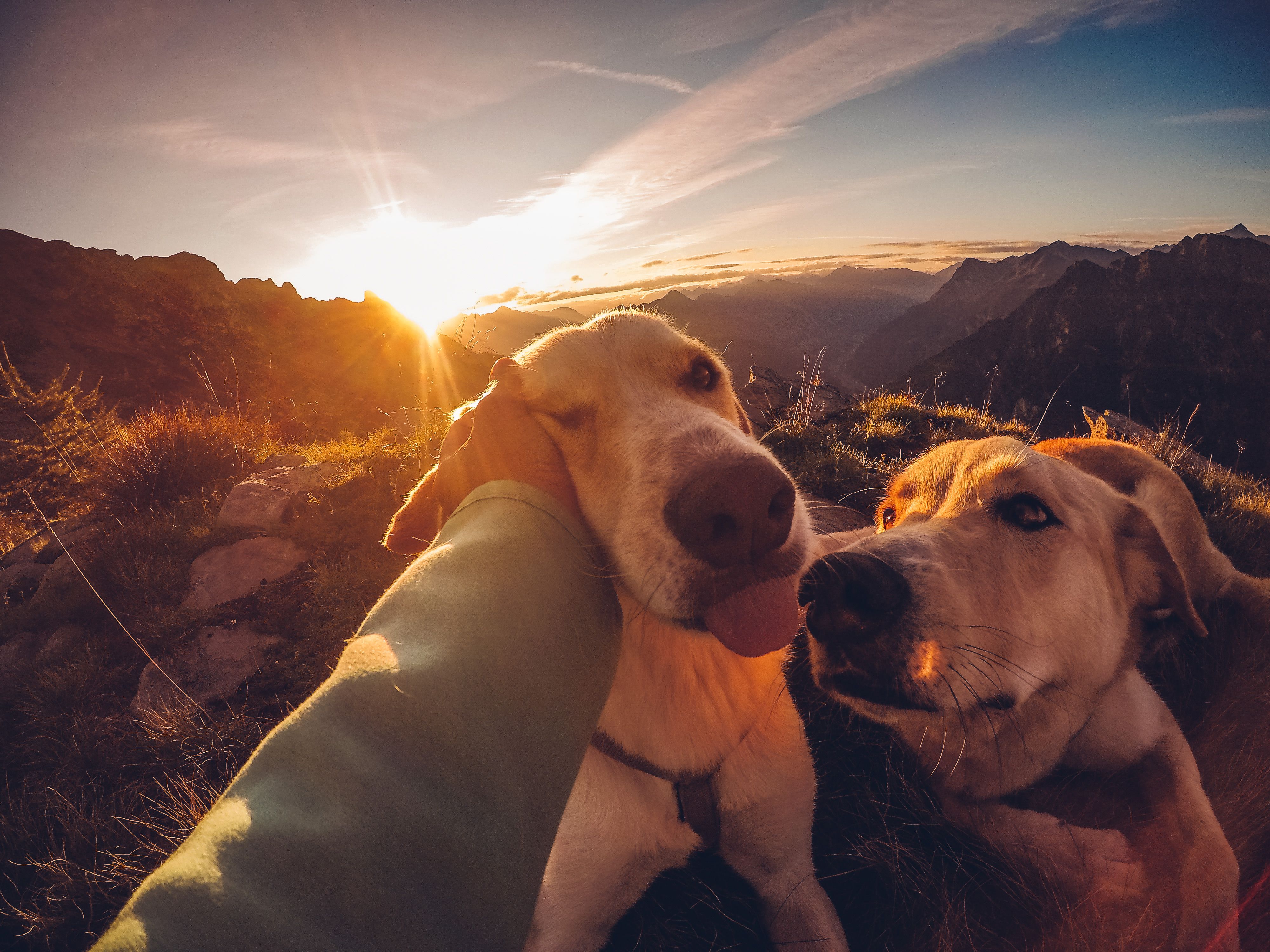
Why Dogs Make Such Great Companions
Beyond the fun facts, dogs have earned their place at our sides through thousands of years of partnership. They've worked alongside farmers, hunters, soldiers, and families, adapting to nearly every environment and lifestyle humans have created along the way. Their combination of loyalty, intelligence, and emotional attunement is rare in the animal kingdom, and it's part of why so many people consider their dog to be a true member of the family rather than simply a pet.
Scientific research increasingly backs up what dog owners have always felt instinctively: living with a dog is linked to lower stress levels, increased opportunities for physical activity, and even improved cardiovascular health for many owners. Dogs seem to have a unique ability to read our emotional states and respond with comfort, playfulness, or quiet companionship exactly when it's needed.
Whether you're drawn to their ancient history, their remarkable biology, their surprising intelligence, or simply the joy they bring to everyday life, there's always something new to learn about dogs. The more we understand them, the more we appreciate just how special the bond between humans and dogs really is, and why it has endured for tens of thousands of years and shows no signs of fading.
Comments (2)
Dogs be dawgs>>>
🐕>>